Hplc Vs Rp Hplc
IEHPLC is useful for oligos that will be transfected into living cells, while RPHPLC is needed to purify oligos with fluorescent dyes and some other hydrophobic modifications For those oligos that require the use of RPHPLC purification and are to be used in living cells, we recommend following RPHPLC with a Na salt exchange to remove any.
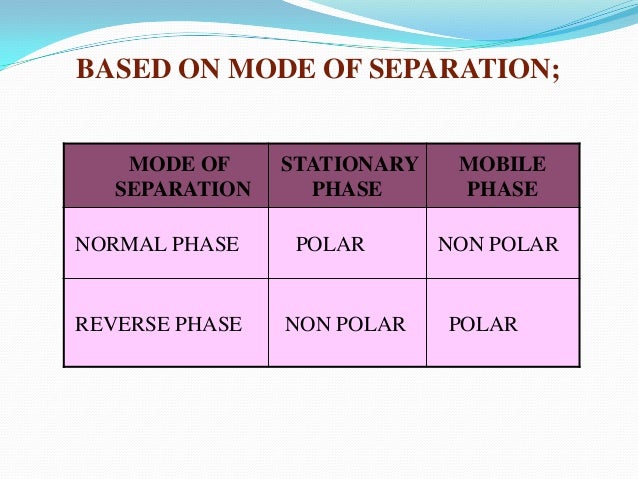
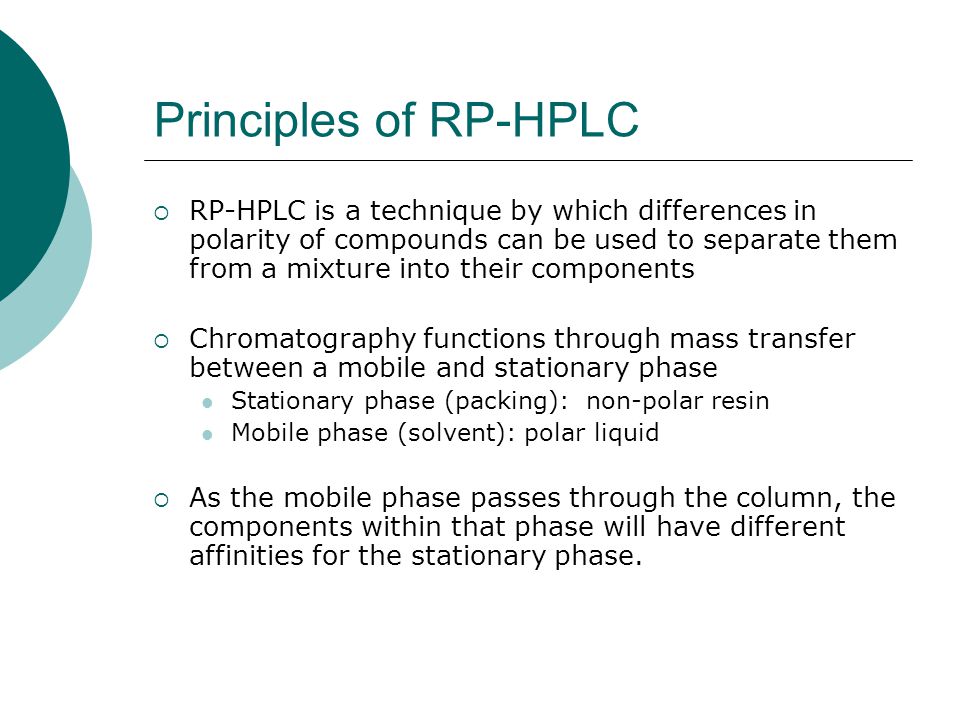
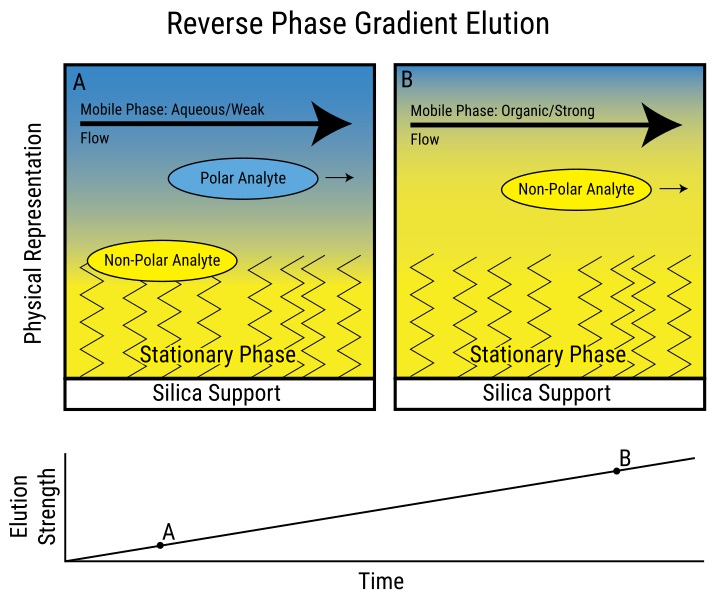
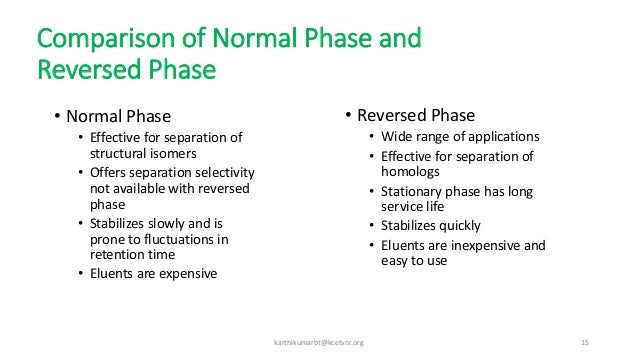
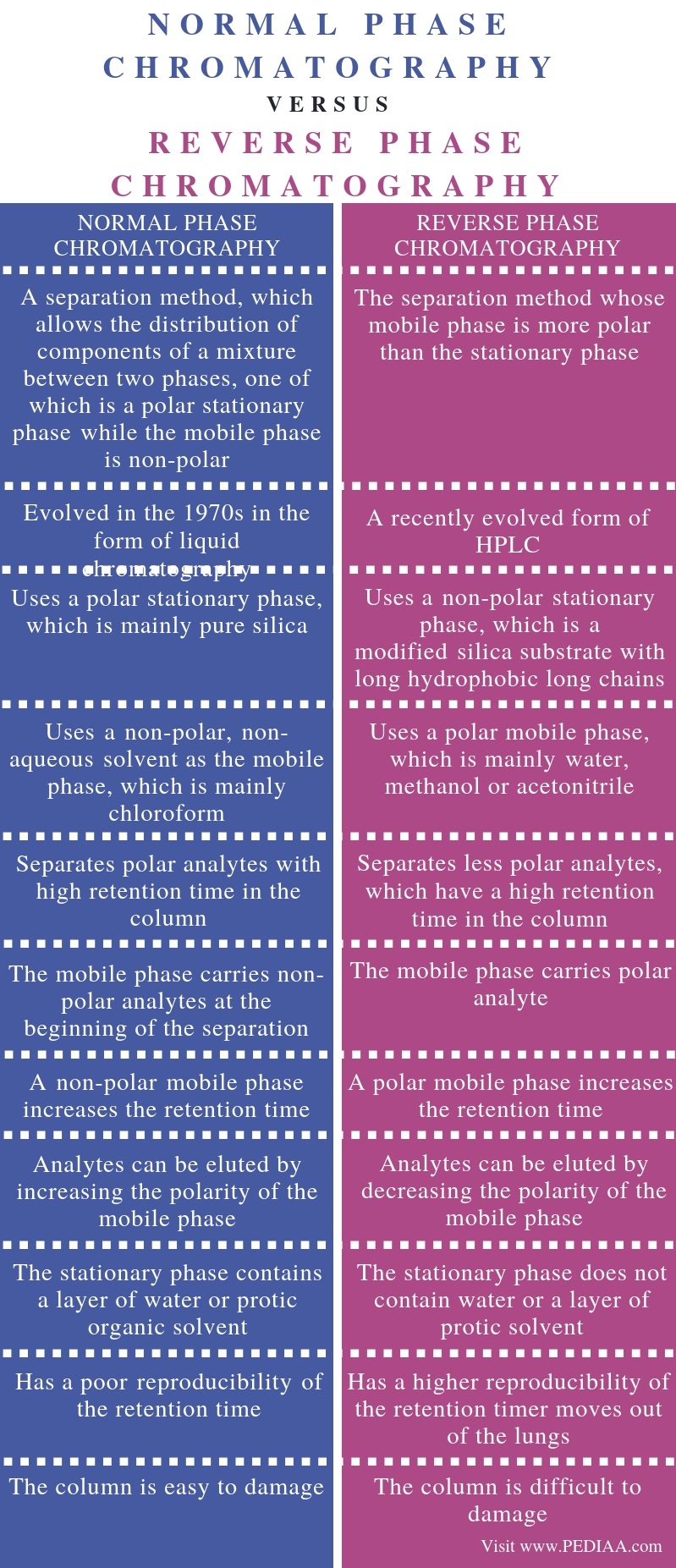
Hplc vs rp hplc. LiChrosorb RP18 10 100 300 17 no no LiChrospher RP18 5 100 350 216 no no Luna 5 C18(2) 5 100 400 175 yes yes Novapak C18 4 60 1 73 yes no Nucleosil C18 5 100 350 15 yes no Nucleosil C18 HD 5 100 yes yes Nucleosil C18AB 5 100 350 24 yes no Partisil ODS 10 85 350 5 no no. RPHPLC Retention Order Reversed phase HPLC is characterized by a situation in which the mobile phase used is MORE POLAR than the stationary phase More polar analytes elute first, less polar analytes are retained longer Water and miscible organics (acetonitrile, methanol, ethanol) make for a polar mobile phase. ReversedPhase (‘RP’) Chromatography • The most widely used mode of HPLC • Separate molecules in solution on basis of their hydrophobicity ( good word for Scrabble) – Nonpolar stationary phase – Polar mobile phase • In practice nonpolar functional group ‘bonded’ to silica – “bondedphase chromatography”.
I think the difference is in relative polarity of mobile and stationary phases While in normal phase LC the mobile phase is nonpolar (must be 100% without water wich is the main limitation of normal phase LC) and stationary phase is polar (silica etc) in reverse phase the mobile phase is polar (water) while stationary phase is more hydrophobic. RPHPLC T Trung Tran Loading Unsubscribe from T Trung Tran?. Note A solute’s retention time in HPLC is determined by its interaction with the stationary phase and the mobile phase There are a several different types of solute/stationary phase interactions, including liquid–solid adsorption, liquid–liquid partitioning, ionexchange, and sizeexclusion (see Figure 124)Section 125 deals exclusively with HPLC separations based on liquid–liquid.
High performance liquid chromatography (HPLC) is basically a highly improved form of column liquid chromatography Instead of a solvent being allowed to drip through a column under gravity, it is forced through under high pressures of up to 400 atmospheres That makes it much faster. RPHPLC is listed in the World's largest and most authoritative dictionary database of abbreviations and acronyms Analytical ReversedPhase HighPerformance Liquid Chromatography (RPHPLC). Prep HPLC vs reversedphase flash chromatography How to choose?.
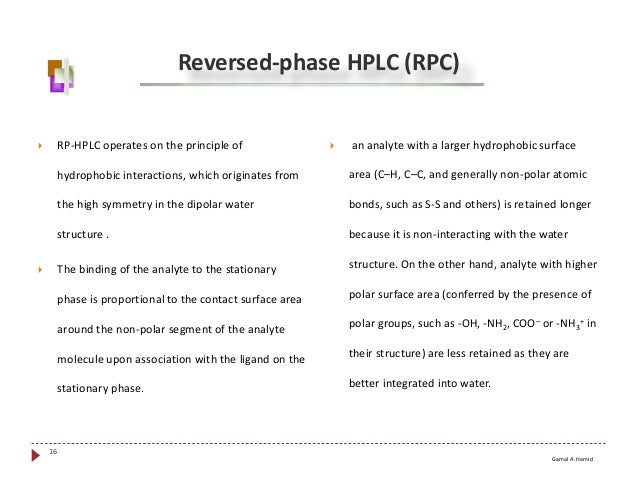
Ionpair reversedphase high performance liquid chromatography (IP RP HPLC) is presented as a new, superior method for the analysis of RNA IP RP HPLC provides a fast and reliable alternative to classical methods of RNA analysis, including separation of different RNA species, quantification and purification. Reverse phase HPLC is a chromatographic technique in which we use a hydrophobic stationary phase Among all HPLC methods, we use this method for approximately 70% because of its broad applicability, and reproducibility The stationary phase is nonpolar and the mobile phase is polar. Reversed phase HPLC (RPHPLC) is a very powerful and widelyused technique for separating biomolecules, both large and small Its primary advantages over other separation modes are high efficiency and the ability to distinguish between compounds that are chemically very similar.
Ionpair reversedphase high performance liquid chromatography (IP RP HPLC) is presented as a new, superior method for the analysis of RNA IP RP HPLC provides a fast and reliable alternative to classical methods of RNA analysis, including separation of different RNA species, quantification and purification. In both cases, the stationary phase is more hydrophobic than the mobile phase The hydrophobicity of RPstationary phases is generally higher than that of HIC media Elution in RP is obtained by adjusting the polarity of the mobile phase. Also, the cost of RP pHPLC, at least initially, is exorbitant vs reversedphase flash chromatography, which, even longterm increases the cost per sample being purified Prep HPLC uses smaller particle media (510 µm) packed into expensive, precisionmade stainless steel columns.
HPLC Characteristics •Columns have small internal diameters (210 mm) ultraperformance liquid chromatography–electrospray (UPLC) technologies and • HILIC offer a good alternative to RP chromatography for the analysis of highly polar metabolites such as carbohydrates, their phosphorylated derivatives, and glycolytic. This question is one that is increasing in frequency Over the past 10 or so years reversedphase flash chromatography use has increased dramatically Likewise, reversedphase preparative HPLC (RP pHPLC) use has also increased. For oligonucleotides containing modifications, such as fluorescent probes, we recommend more stringent purification such as single HPLC or dual HPLC Single HPLC oligos are processed with either Reverse Phase HPLC (RP HPLC) or Anion Exchange HPLC (AX HPLC) DualHPLC oligos are processed with both RP HPLC and AX HPLC.
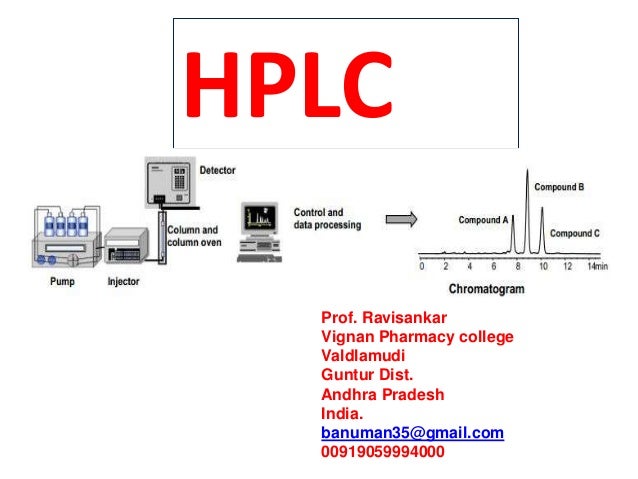
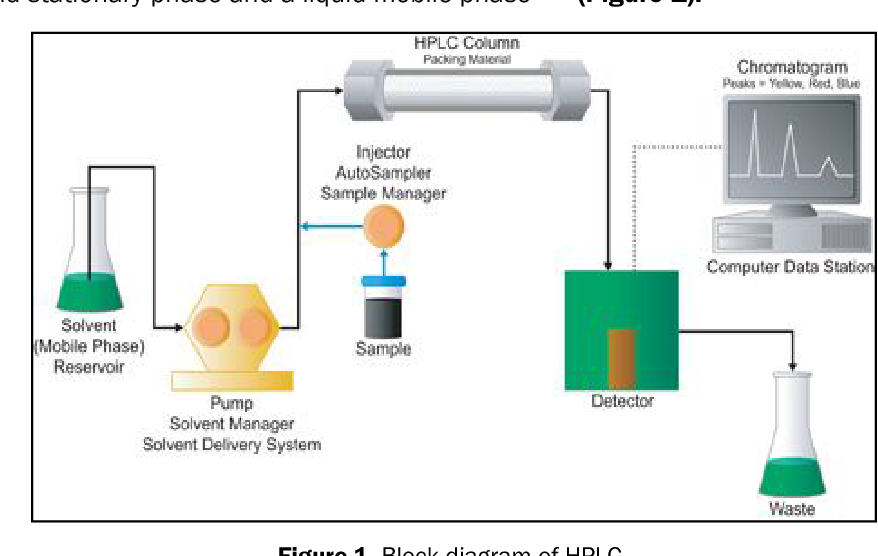
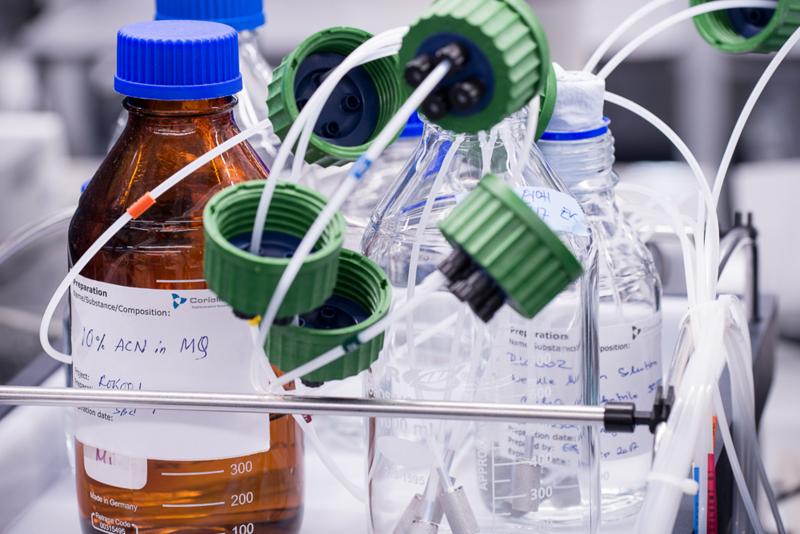
Introduction to Ultra High Performance Liquid Chromatography Whiteboard Video Duration 318. High Performance Liquid Chromatography (HPLC) is used as an analytical instrument to separate certain compounds in a sample The HPLC consist of a pump that delivers the mobile phase and sample throughout the system, an auto sampler or injector port for sample introduction, a stationary phase where separation of compounds takes place, a detector to detect the compounds and an integrator or a. RPHPLC – BASICS SKarthikumar, MSc,MPhil,MTech,(PhD) Assistant Professor, Department of Biotechnology Kamaraj College of Engineering and Technology Vi Slideshare uses cookies to improve functionality and performance, and to provide you with relevant advertising.
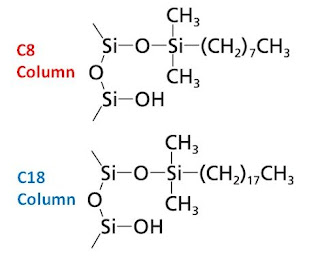
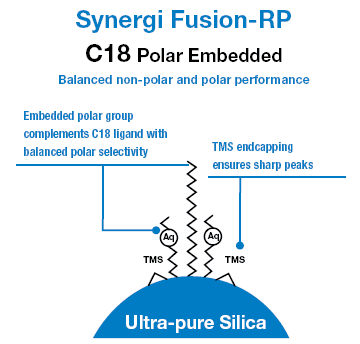
Note A solute’s retention time in HPLC is determined by its interaction with the stationary phase and the mobile phase There are a several different types of solute/stationary phase interactions, including liquid–solid adsorption, liquid–liquid partitioning, ionexchange, and sizeexclusion (see Figure 124)Section 125 deals exclusively with HPLC separations based on liquid–liquid. Reversed phase HPLC (RPHPLC) has a nonpolar stationary phase and an aqueous, moderately polar mobile phase One common stationary phase is a silica which has been surfacemodified with RMe 2 SiCl, where R is a straight chain alkyl group such as C 18 H 37 or C 8 H 17. Reversedphase highperformance liquid chromatography (RPHPLC) involves the separation of molecules on the basis of hydrophobicity The separation depends on the hydrophobic binding of the solute molecule from the mobile phase to the immobilized hydrophobic ligands attached to the stationary phase, ie, the sorbent.
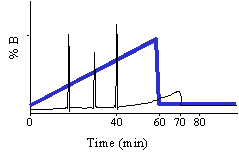
6 HPLC Conditions • Nonionic compounds acetonitrile/water • Ionizable compounds 25mM phosphate buffers at pH 2 and pH 7 • The concentration of acetonitrile was varied to give a k’ between 1 and 5 for most compounds • Columns run using automated switching valve Conditions chosen based on simplicity of mobile phase for nonionic compounds. LiChrosorb RP18 10 100 300 17 no no LiChrospher RP18 5 100 350 216 no no Luna 5 C18(2) 5 100 400 175 yes yes Novapak C18 4 60 1 73 yes no Nucleosil C18 5 100 350 15 yes no Nucleosil C18 HD 5 100 yes yes Nucleosil C18AB 5 100 350 24 yes no Partisil ODS 10 85 350 5 no no. RPHPLC is used for the separation of peptide fragments from enzymatic digests 1016 and for purification of natural and synthetic peptides 17 Preparative RPHPLC is frequently used to purifiy synthetic peptides in milligram and gram quantities 4650 RPHPLC is used to separate hemoglobin variants 34, 35, identify grain varieties 32, study.
LiChrosorb® RP Select B Brownlee Spheri™5 RP8 Zorbax® SBC18 Symmetry® C8 Nucleosil® C18 Adsorbosphere® C18 LiChrosorb® RP18 Versapack™ C18 Partisil® ODS2 Ultrasphere® C18IP Allsphere™ ODS2 Adsorbosphere® XL C18 Kromasil™ C8 YMC ODSAQ Resolve™ C18 0123 456 Capacity Factor B=710 B=722 B=731 B=1404 HPLC Column. LiChrosorb RP18 10 100 300 17 no no LiChrospher RP18 5 100 350 216 no no Luna 5 C18(2) 5 100 400 175 yes yes Novapak C18 4 60 1 73 yes no Nucleosil C18 5 100 350 15 yes no Nucleosil C18 HD 5 100 yes yes Nucleosil C18AB 5 100 350 24 yes no Partisil ODS 10 85 350 5 no no. Reversedphase HPLC (RPHPLC) is one of the commonly used techniques in separation of a wide ranging of analyte based on differences in their structures In RPHPLC, the polar mobile phase and nonpolar stationary phase was practised.
Modern high performance liquid chromatography or HPLC has its roots in this separation, the first form of liquid chromatography The chromatographic process has been significantly improved over the last hundred years, yielding greater separation efficiency, versatility and speed. Modern high performance liquid chromatography or HPLC has its roots in this separation, the first form of liquid chromatography The chromatographic process has been significantly improved over the last hundred years, yielding greater separation efficiency, versatility and speed. RPHPLC Retention Order Reversed phase HPLC is characterized by a situation in which the mobile phase used is MORE POLARthan the stationary phase More polar analytes elute first, less polar analytes are retained longer Water and miscible organics (acetonitrile, methanol, ethanol) make for a polar mobile phase.
A typical surface area of the silica used for chromatography is around 330m 2 /g and, in a 150 x 46mm column, there may be as much as 15 g of silica — meaning your everyday HPLC column has around the same surface area as an average tennis court!. RP conditions • Enhanced sensitivity in ESIMS is enjoyed due to the highly volatile mobile phases (> 80% organic) used • Sample preparation procedures are shortened by eliminating the evaporation and reconstitution steps and directly injecting the eluent •AtlantisTM HILIC Silica columns are an alternative to RP. High performance liquid chromatography (HPLC), a form of column chromatography, can be performed in one of two ways Reversephase (RP) HPLC separates fulllength oligo product from truncated products based on relative hydrophobicity Ionexchange (IE) HPLC separates fulllength oligonucleotides from truncated species based on relative charge.
HPLC Columns, Buffers, Reagents, Standards, and Accessories We offer a wide selection of highperformance liquid chromatography (HPLC, UHPLC, and LCMS) columns for small and large molecule (biomolecule) analysis, including those employing fully porous particles (FPP) with our Purospher™ STAR, Discovery and Ascentis ® columns, superficially porous particles (SPP), such as Ascentis. Note A solute’s retention time in HPLC is determined by its interaction with the stationary phase and the mobile phase There are a several different types of solute/stationary phase interactions, including liquid–solid adsorption, liquid–liquid partitioning, ionexchange, and sizeexclusion (see Figure 124)Section 125 deals exclusively with HPLC separations based on liquid–liquid. RP (HPLC) column is highly stable and efficient Thus, these advantages explain the most frequent use of RP in HPLC application in these days RP could be applied to separation of a very wide range.
Also, the cost of RP pHPLC, at least initially, is exorbitant vs reversedphase flash chromatography, which, even longterm increases the cost per sample being purified Prep HPLC uses smaller particle media (510 µm) packed into expensive, precisionmade stainless steel columns. This typically ensures the proper interaction of analytes with the nonpolar, hydrophobic particle surface A C18–bonded silica sometimes called ODS is the most popular type of reversedphase HPLC packing Table C presents a summary of the phase characteristics for the two principal HPLC separation modes based upon polarity. HPLC Characteristics •Columns have small internal diameters (210 mm) ultraperformance liquid chromatography–electrospray (UPLC) technologies and • HILIC offer a good alternative to RP chromatography for the analysis of highly polar metabolites such as carbohydrates, their phosphorylated derivatives, and glycolytic.
Looking for online definition of RPHPLC or what RPHPLC stands for?. Distinguishing feature of HPLC and UHPLC There are several modes of liquid chromatography These are generally defined according to the specific types of interactions responsible for separation In this experiment, we will employ reversedphase (RP) liquid chromatography, where polar mobile and nonpolar stationary phases are used Here,. Ionpair reversedphase high performance liquid chromatography (IP RP HPLC) is presented as a new, superior method for the analysis of RNA IP RP HPLC provides a fast and reliable alternative to classical methods of RNA analysis, including separation of different RNA species, quantification and purification.
6 HPLC Conditions • Nonionic compounds acetonitrile/water • Ionizable compounds 25mM phosphate buffers at pH 2 and pH 7 • The concentration of acetonitrile was varied to give a k’ between 1 and 5 for most compounds • Columns run using automated switching valve Conditions chosen based on simplicity of mobile phase for nonionic compounds. Eclipse XDBC18 vs Competitive C18 Eclipse XDBC18 Competitive L C18 Columns 46 x 150 mm, 5 µ m Mobile Phase 50% 25 mM Na 2 HPO 4, pH 712 50% MeOH Detection UV 254 nm Flow Rate 10 mL/min Temperature 25°C Sample 1 Uracil 2 Amlodipine 3 Benazepril • Eclipse XDB shows superior peak shape for the basic compound, benazepril. RP conditions • Enhanced sensitivity in ESIMS is enjoyed due to the highly volatile mobile phases (> 80% organic) used • Sample preparation procedures are shortened by eliminating the evaporation and reconstitution steps and directly injecting the eluent •AtlantisTM HILIC Silica columns are an alternative to RP.
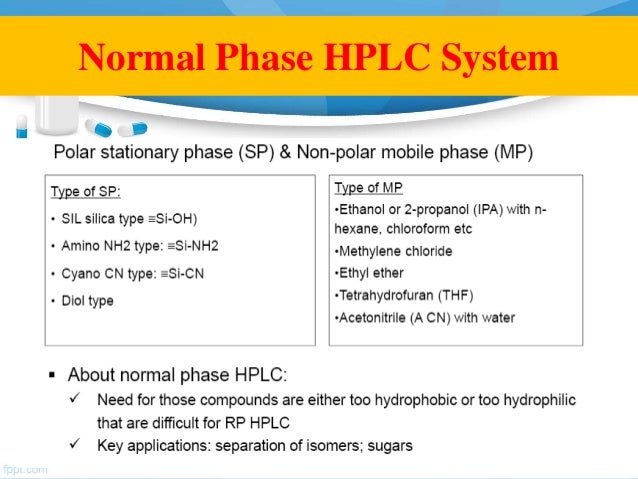
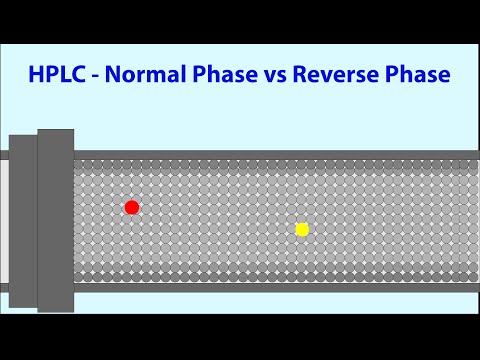
High Performance Liquid Chromatography (HPLC) is used as an analytical instrument to separate certain compounds in a sample The HPLC consist of a pump that delivers the mobile phase and sample throughout the system, an auto sampler or injector port for sample introduction, a stationary phase where separation of compounds takes place, a detector to detect the compounds and an integrator or a. Distinguishing feature of HPLC and UHPLC There are several modes of liquid chromatography These are generally defined according to the specific types of interactions responsible for separation In this experiment, we will employ reversedphase (RP) liquid chromatography, where polar mobile and nonpolar stationary phases are used Here,. Support and hit like and/or subscribe =)Basic info about Normal Phase and Reverse Phase HPLC There are two variants in use in HPLC 01 Normal Phase HPLC.
I think the difference is in relative polarity of mobile and stationary phases While in normal phase LC the mobile phase is nonpolar (must be 100% without water wich is the main limitation of normal phase LC) and stationary phase is polar (silica etc) in reverse phase the mobile phase is polar (water) while stationary phase is more hydrophobic. This typically ensures the proper interaction of analytes with the nonpolar, hydrophobic particle surface A C18–bonded silica sometimes called ODS is the most popular type of reversedphase HPLC packing Table C presents a summary of the phase characteristics for the two principal HPLC separation modes based upon polarity. HPLC Characteristics •Columns have small internal diameters (210 mm) ultraperformance liquid chromatography–electrospray (UPLC) technologies and • HILIC offer a good alternative to RP chromatography for the analysis of highly polar metabolites such as carbohydrates, their phosphorylated derivatives, and glycolytic.
For example in ReversePhase High Performance Liquid Chromatography by using 250 cm length x 46 mm Inner Diameter, and 5 micras C18 columns, and flow rates around 05 ml/min of solvents like. HPLC Characteristics •Columns have small internal diameters (210 mm) ultraperformance liquid chromatography–electrospray (UPLC) technologies and • HILIC offer a good alternative to RP chromatography for the analysis of highly polar metabolites such as carbohydrates, their phosphorylated derivatives, and glycolytic. What is the difference between Reversed Phase (RP) HPLC and hydrophobic interaction chromatography (HIC)?.
Indicating RPHPLC method for The Estimation of an Antidepressant Agents Alprazolam and Imipramine in Pure & Pharmaceutical Dosage Form Payal P Chauhan, Divya Y Patel, Department of Quality Assurance, Sardar Patel College of Pharmacy, INDIA Samir K Shah Department of Pharmacology, Sardar Patel College of Pharmacy, INDIA. HPLC Method Development Systematic Approach vs Random Walk Improving the Efficiency of Method Development and Optimization William Champion Agilent Technologies, Inc , opt 3, opt 3, opt 2 lccolumnsupport@agilentcom Oct 3, 12 Improving HPLC Separations Agilent Restricted. RPHPLC theory Thermodynamic descriptions based on the adsorption approach to retention in RP HPLC work pretty well in explanations of all effects Special attention in using thermodynamic theory has to be placed on the actual value of the surface area of the adsorbent As we have discussed in the adsorbent section, there is a significant.
Over the past 10 or so years reversedphase flash chromatography use has increased dramatically Likewise, reversedphase preparative HPLC (RP pHPLC) use has also increased Chemists need to know when to choose between the speed and low solvent use of flash column chromatography and the ultimate purification of RP pHPLC. Effect of Temperature on RPHPLC Retention 15 Gradient vs Isocratic Elution 15 RPLC/MS of Biomolecules 16 Column Selection for RPLC/MS Column ID 16 Maintaining Constant Linear Velocity with Changing Column ID 17 Electrospray Ionization (ESI) 17 Column Packing Materials for RPLC/MS 18 Column Stability 19 Mobile Phase for RPLC/MS Ionic. This typically ensures the proper interaction of analytes with the nonpolar, hydrophobic particle surface A C18–bonded silica sometimes called ODS is the most popular type of reversedphase HPLC packing Table C presents a summary of the phase characteristics for the two principal HPLC separation modes based upon polarity.
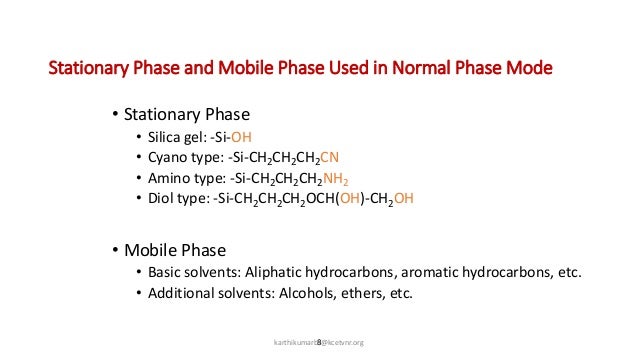
LiChrosorb® RP Select B Brownlee Spheri™5 RP8 Zorbax® SBC18 Symmetry® C8 Nucleosil® C18 Adsorbosphere® C18 LiChrosorb® RP18 Versapack™ C18 Partisil® ODS2 Ultrasphere® C18IP Allsphere™ ODS2 Adsorbosphere® XL C18 Kromasil™ C8 YMC ODSAQ Resolve™ C18 0123 456 Capacity Factor B=710 B=722 B=731 B=1404 HPLC Column. Normal phase HPLCThe column is filled with tiny silica particles, and the solvent is nonpolar hexane, for example A typical column has an internal diameter of 46 mm (and may be less than that), and a length of 150 to 250 mm.

Rp Hplc Hilic Chromatography For Quantifying Ertapenem Sodium With A Look At Green Chemistry Sciencedirect

Oligonucleotide Quality Control By Analytical Hplc Sigma Aldrich
Hplc High Perpromance Liquid Chromatography Or High Pressure Liquid
Hplc Vs Rp Hplc のギャラリー

Rp Hplc Baseline Drift Chromatography Forum

Introduction To Rp Hplc
High Performance Liquid Chromatography Wikipedia
Difference Between C8 And C18 Columns Used In Hplc System Pharmaceutical Guidelines

Rp Hplc Profiles For Trial 3 Vs 0 01 Protein Standards Download Scientific Diagram

Reversed Phase Hplc An Overview Sciencedirect Topics

How Does Reversed Phase Flash Chromatography Compare To Prep Hplc

3 2 High Performance Liquid Chromatography Chemistry Libretexts
Hplc Basic Principles Operation And Maintenance

High Performance Liquid Chromatography An Overview Sciencedirect Topics
Development And Validation Of Rp Hplc Method For Estimation Of Vortioxetine In Bulk And Pharmaceutic By International Journal Of Trend In Scientific Research And Development Issn 2456 6470 Issuu
Production Of Insulin Reverse Phase High Pressure Liquid Chromatography Unit Rp Hplc Presented By Justin Mccomb Rachelle Bolton Young Chang Ppt Download

High Performance Liquid Chromatography Wikipedia
Orthogonal Hplc Methods

Rp Hplc Of Pngase A Neutral And Pngase F Hydrophobic N Glycan Pools Of Download Scientific Diagram

Development And Validation Of Rp Hplc Method For The Estimation Of Erlotinib In Pharmaceutical Formulation Topic Of Research Paper In Chemical Sciences Download Scholarly Article Pdf And Read For Free On Cyberleninka
Sfe Fractionation And Rp Hplc Characterization Of Aquatic Fulvic Acid Unt Digital Library
Development And Validation Of Rp Hplc Method For Estimation Ijrpc

Hplc High Performance Liquid Chromatography Rp Hplc Reverse Phase Tamil Biology Think Vision Youtube

Oligonucleotide Quality Control By Analytical Hplc Sigma Aldrich
Reverse Phase Hplc Basics For Lc Ms

The Uv 215 Nm Overlay Of Rp Hplc Separated Tryptic Peptides Of An Igg2 Download Scientific Diagram

Hplc Separation Modes Polarity Phases Chromatography In Hplc Waters

Rp Hplc Separations Of A Balanced Mixture Of Tocopherols And Download Scientific Diagram
Pdf Development And Validation Of Stability Indicating Rp Hplc Method Forsimultaneous Estimation Of Lignocaine Hcl And Nifedipine In Cream Semantic Scholar
High Performance Liquid Chromatograph Hplc

Production Of Insulin Reverse Phase High Pressure Liquid Chromatography Unit Rp Hplc Presented By Justin Mccomb Rachelle Bolton Young Chang Ppt Download

The Non Reduced Plrp Rp Hplc And Reduced Plrp Analysis Of Antibody Download Scientific Diagram

Hplc Column Synergi Phenomenex
Rp Hplc Method Development And Validation For Palbociclib And Letrozole Analytical Method Development Dange Yuvraj Salunkhe Vijay Dange Vidya Amazon Com Books

Hplc Separation Modes Polarity Phases Chromatography In Hplc Waters

High Performance Liquid Chromatography Wikipedia

Development And Validation Of Rp Hplc And Rp Uplc Methods For Quantification Of Erythropoietin Formulated With Human Serum Albumin Sciencedirect

Hplc Normal Phase Vs Reverse Phase Video Technology Networks
Reverse Phase High Performance Liquid Chromatography Rp Hplc As A Powerful Tool To Characterise Complex Water Soluble Copolymer Architectures Polymer Chemistry Rsc Publishing
Development And Validation Of Rp Hplc Method An Overview Open Access Journals
Rp Hplc Method For Determination Of Several Nsaids And Their Combination Drugs Topic Of Research Paper In Chemical Sciences Download Scholarly Article Pdf And Read For Free On Cyberleninka Open Science Hub

Top Pdf Reverse Phase High Performance Liquid Chromatography Rp Hplc 1library

Method Development And Laboratory Intercomparison Of An Rp Hplc Uv Method For Energetic Chemicals In Marine Tissues Sciencedirect

Stability Indicating Rp Hplc Method For Estimation Of Ziprasidone Authorstream

Validated Stability Indicating Rp Hplc Dad Method For Simultaneous Determination Of Amitriptyline Hydrochloride And Pregabalin In

Green Rp Hplc Chromatogram Of Ind In Ethyl Acetate 100 V V With Download Scientific Diagram
Hplc Normal Phase Vs Reverse Phase Hplc Animated Youtube

How To Improve Separation In Rp Hplc Youtube

Development And Validation Of Stability Indicating Rp Hplc Method For Estimation Of Satranidazole From Its Formulation Topic Of Research Paper In Chemical Sciences Download Scholarly Article Pdf And Read For Free On

Chemical Characterization Of Nes Rp Hplc Chromatograms Of A Nes Download Scientific Diagram
Figure S2 Rp Hplc Chromatogram Of The Lys Pa Absorbance At 2 Nm Vs Download Scientific Diagram
Difference Between Normal Phase And Reverse Phase Chromatography Pediaa Com

Ion Pair Reversed Phase High Performance Liquid Chromatography Download Scientific Diagram

Pdf Rp Hplc Method Development And Validation Of Chrysin In Bulk And Marketed Formulation

High Performance Liquid Chromatography Wikipedia
Hplc High Perpromance Liquid Chromatography Or High Pressure Liquid

Reverse Phase High Performance Liquid Chromatography Rp Hplc Pattern Download Scientific Diagram

Method Development And Validation Of Paracetmol And Flupirtine Maleate By Rp Hplc
Introduction To Rp Hplc
Rp Hplc Method Development And Validation Of Ritonavir In Bulk And Ph
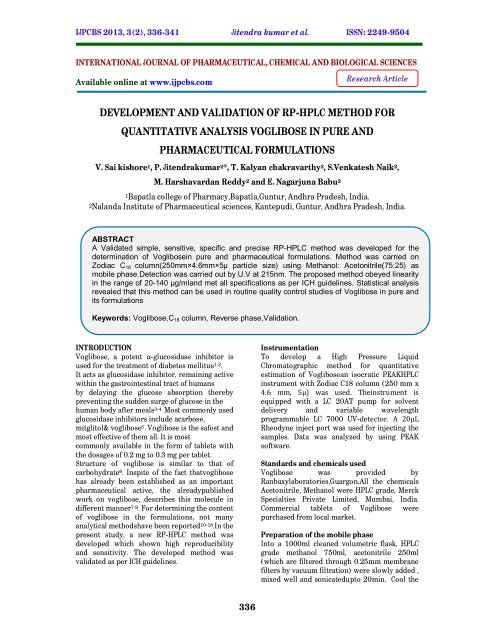
Development And Validation Of Rp Hplc Method For Ijpcbs

Quality By Design Approach For Development And Validation Of A Rp Hplc Method For Simultaneous Determination Of Co Administered Levetiracetam And Pyridoxine Hcl In Prepared Tablets Sciencedirect
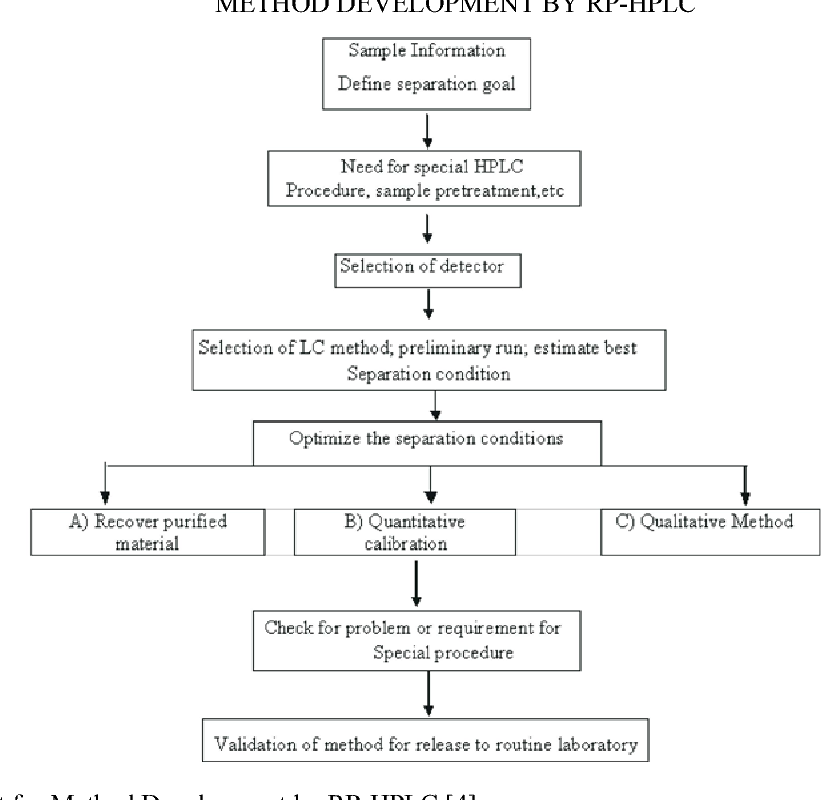
Pdf Recent Analytical Method Developed By Rp Hplc Semantic Scholar

Hplc Separation Modes Polarity Phases Chromatography In Hplc Waters
Ppt Design Of Rp Hplc 1 For Insulin Production Powerpoint Presentation Id

Hplc Separation Modes Polarity Phases Chromatography In Hplc Waters

Difference Between Rp Hplc And Hic Compare The Difference Between Similar Terms
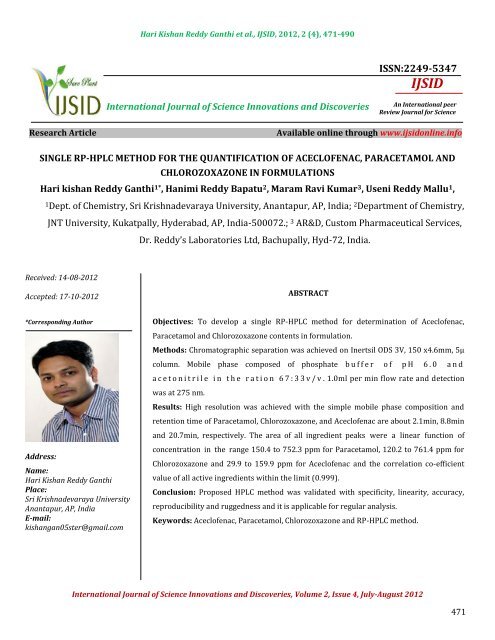
Single Rp Hplc Method For The Ijsidonline Info

Identification Of Degradation Products And Stability Indicating Rp Hplc Method For Determination Of Flupirtine Maleate In Pharmaceutical Dosage Forms Topic Of Research Paper In Nano Technology Download Scholarly Article Pdf And Read For Free
Difference Between Normal Phase And Reverse Phase Chromatography Pediaa Com
Hplc Column Synergi Phenomenex
Method Development And Validation Of Rp Hplc Method For Famciclovir
Reversed Phase Chromatography Rp Hplc Rp Uplc Coriolis Pharma
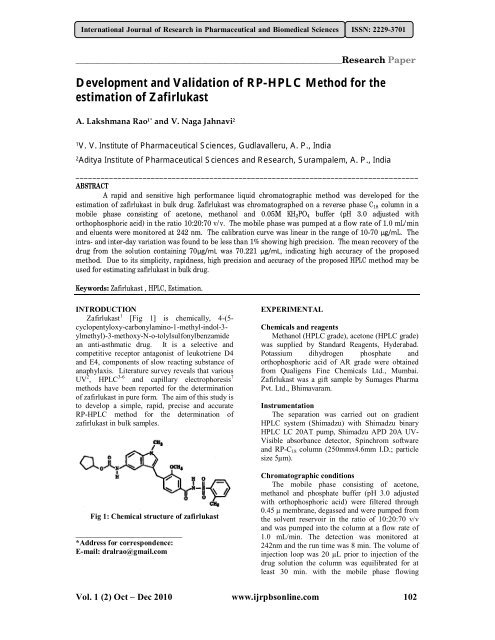
Development And Validation Of Rp Hplc Method For International
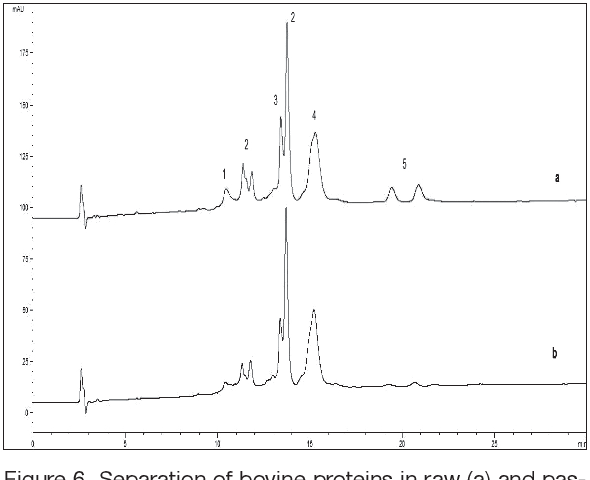
Pdf Detection Of The Milk Proteins By Rp Hplc Semantic Scholar

Validated Rp Hplc Method For The Determination Of Olopatadine Ijpcbs
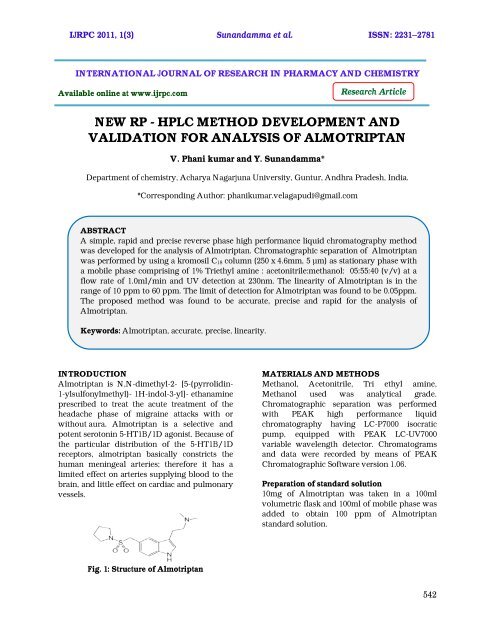
New Rp Hplc Method Development And Validation For Analysis Ijrpc

Difference Between Reverse Phase And Normal Phase Hplc Compare The Difference Between Similar Terms

Top Pdf Isocratic Rp Hplc 1library
The Quantitative Estimation Of Ivabradine By Rp Hplc In Bulk Drug Stability Studies Pasupuleti Sunitha Nayan G Mounika Amazon Com Books

Development And Validation Of Rp Hplc Method For The Analysis Of Carbofuran And In Its Formulations

Development And Validation Of A Rapid And Reliable Rp Hplc Pda Method For The Quantification Of Six Diterpenes In Copaifera Duckei Copaifera Reticulata And Copaifera Multijuga Oleoresins

Hplc Analysis Of Column Test Mixture On Ascentis Express Rp Amide Sigma Aldrich

Plot Of Rp Hplc Results Auc Of Hplc Insulin Peak Of Lispro Insulin Download Scientific Diagram

Ascentis Express Rp Amide Hplc Columns Sigma Aldrich

Development And Validation Of Rp Hplc Method For Quantitative Estimation Of Vinpocetine In Pure And Pharmaceutical Dosage Forms Topic Of Research Paper In Chemical Sciences Download Scholarly Article Pdf And Read For
Introduction To Rp Hplc

Development And Validation Of Rp Hplc Method For Estimation Of Curcumin From Nanocochleates And Its Application In In Vivo Pharmacokinetic Study Nadaf Acta Chimica Slovenica

Rp Hplc Method Development And Validation For The Quantitative Estimation Of Mirabegron In Extended Release Tablets

Rp Hplc Analysis Of Cysteamine And Its Dimer Cystamine Chromatogram Of Download Scientific Diagram

Rp Hplc Protein Profile Of Defatted Peanut Phosphate Extract Windrow Download Scientific Diagram

Analytical Method Development And Validation Of Reverse Phase High Performance Liquid Chromatography Rp Hplc Method For Simultaneous Quantifications Of Quercetin And Piperine In Dual Drug Loaded Nanostructured Lipid Carriers Sciencedirect

Difference Between Reverse Phase And Normal Phase Hplc Compare The Difference Between Similar Terms

Rp Hplc Protein Profile Of Defatted Peanut Phosphate Extract Yellow Vs Download Scientific Diagram

Top Pdf Reverse Phase Hplc Forced Degradation Studies 1library

Difference Between Rp Hplc And Hic Compare The Difference Between Similar Terms


